
Resources · Knowledge base
Engineering knowledge for longer cable life.
Guides and datasheets written by the people who design the systems — failure modes, routing rules, dimensions and compliance data.
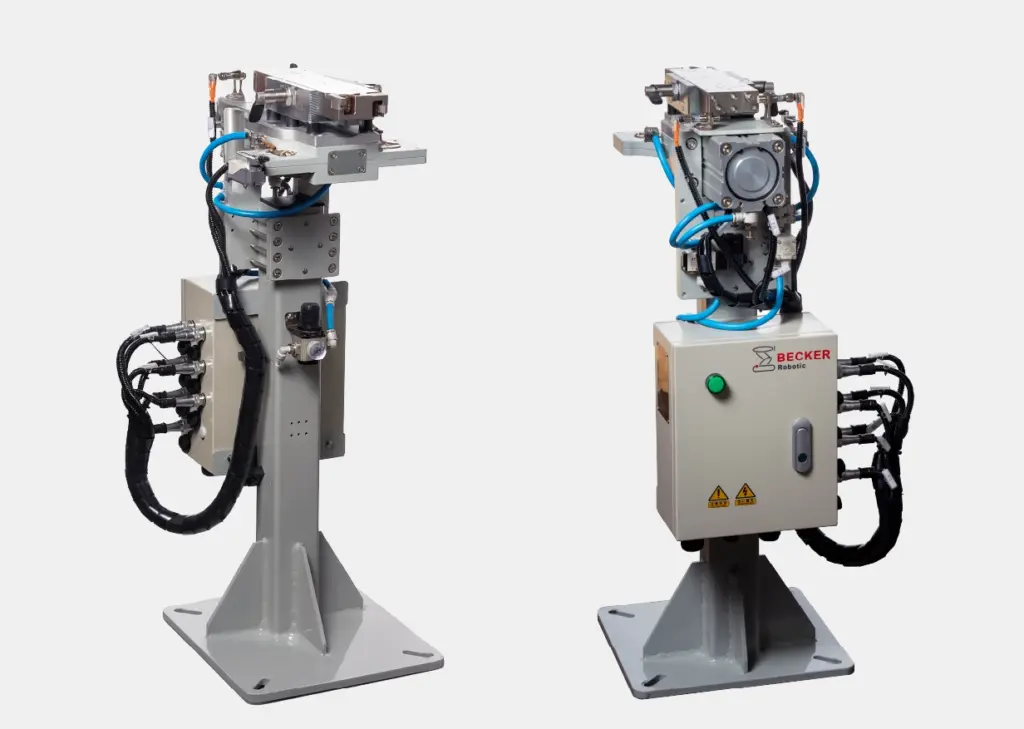 Manual, pneumatic or automatic tip dresser
The three types of tip dresser, what each suits, and the middle ground where the wrong choice quietly costs weld quality.
Read article →
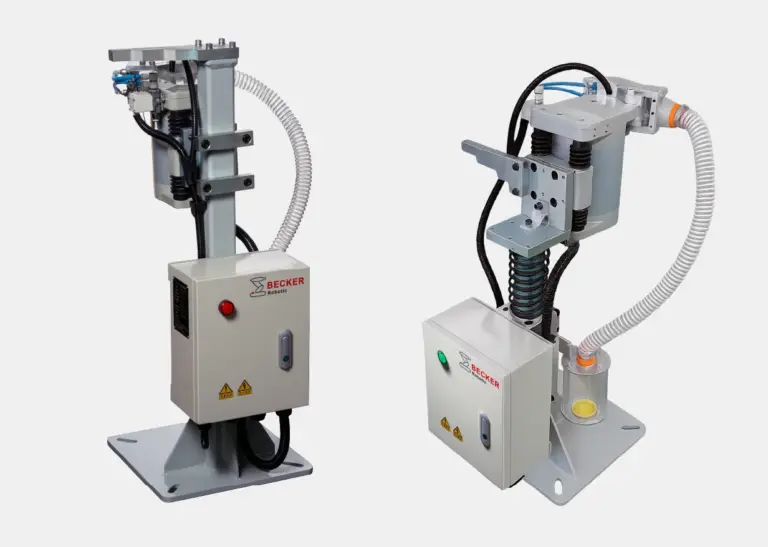 Tip dresser cutters and consumables
How to match a tip dresser cutter to the cap, when to change it, and why the blade…
Read article →
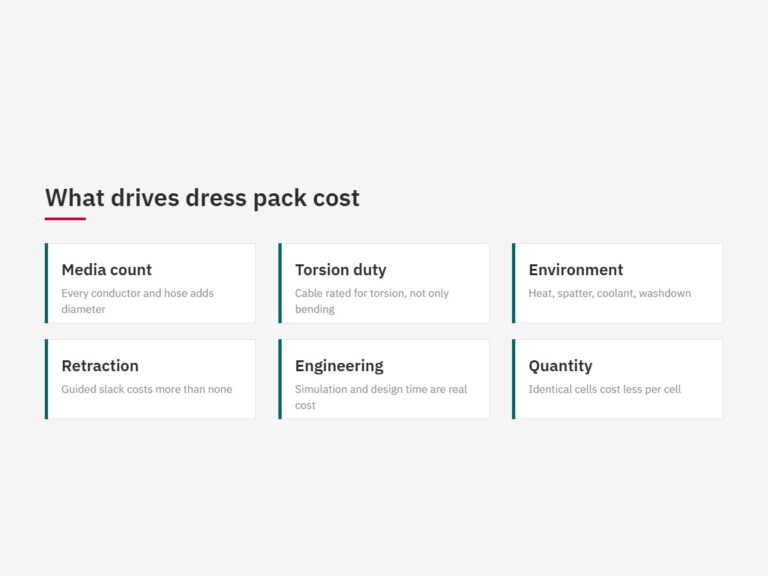 What drives the cost of a robot dress pack
We do not publish prices, and any supplier who quotes you a figure without asking about your cell…
Read article →
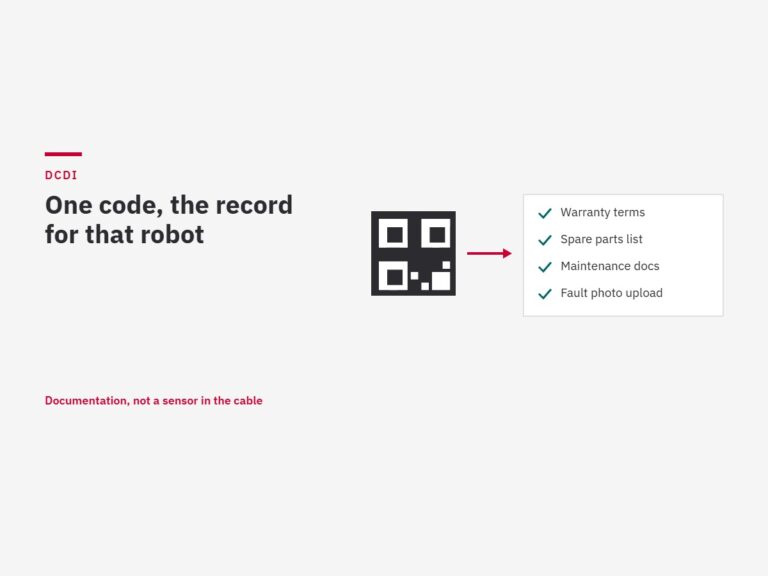 Condition monitoring and DCDI
A QR code per robot linking to its spares list, warranty and history — and what it is…
Read article →
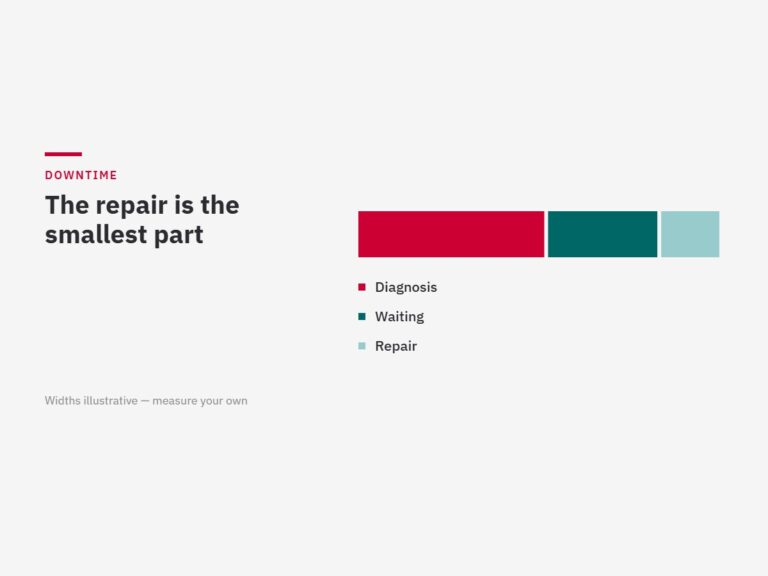 The cost of cable-related downtime
Diagnosis and waiting dominate the hours. How to work out what a cable failure really costs you.
Read article →
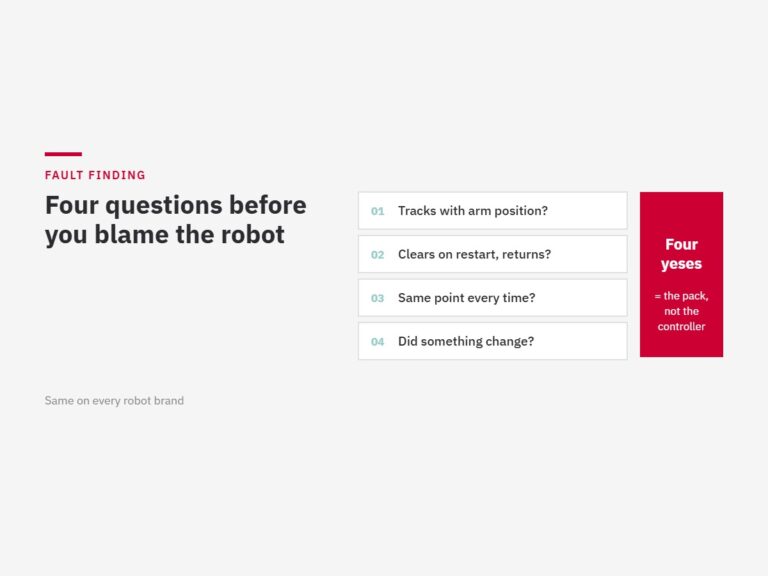 Common robot faults that are actually cable faults
Intermittent, position-dependent and repeat faults are usually cables. How to tell, on any brand.
Read article →
 Dress pack maintenance checklist
What to inspect at every planned stop, what to record, and the four things never to do.
Read article →
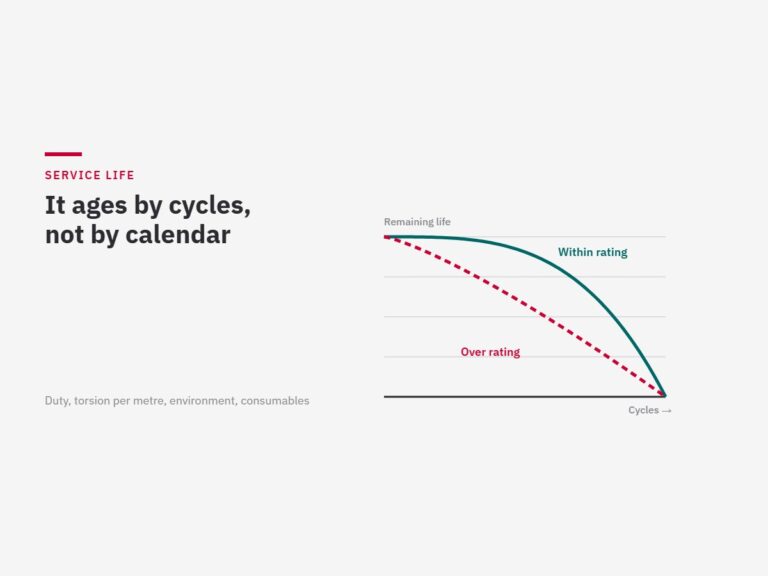 How long does a robot dress pack last?
It ages by cycles, not by calendar. What determines service life, and how to read wear.
Read article →
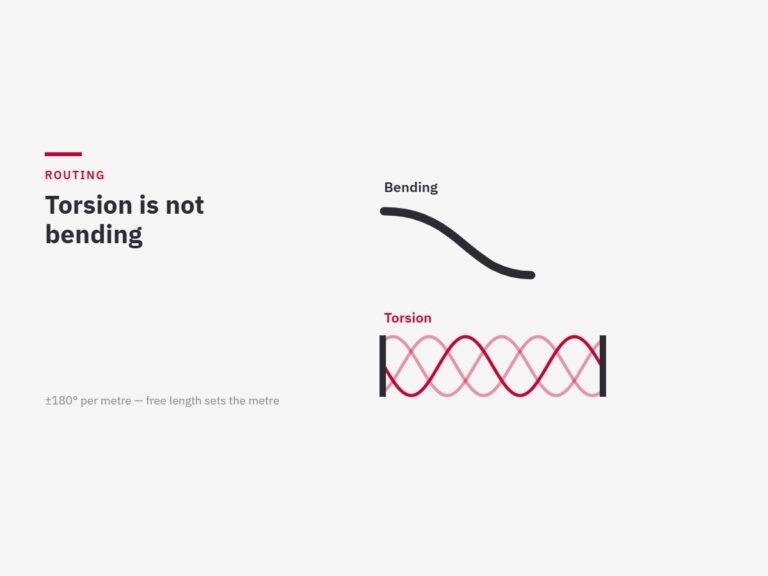 Routing rules: torsion, bending and fixing points
Torsion versus bending, dynamic bend radius, fixing points and separation — the rules and the reasoning.
Read article →
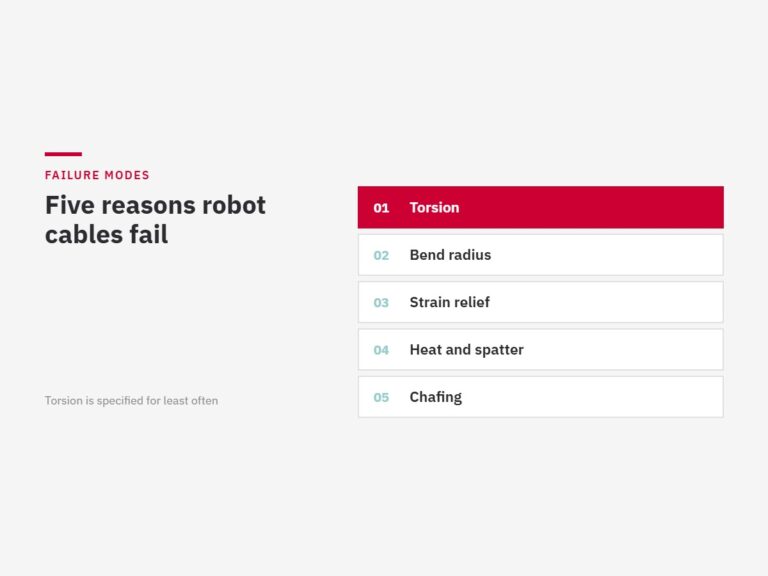 Why robot cables fail
Torsion, bend radius, strain relief, heat and chafing — what each looks like before it stops the line.
Read article →
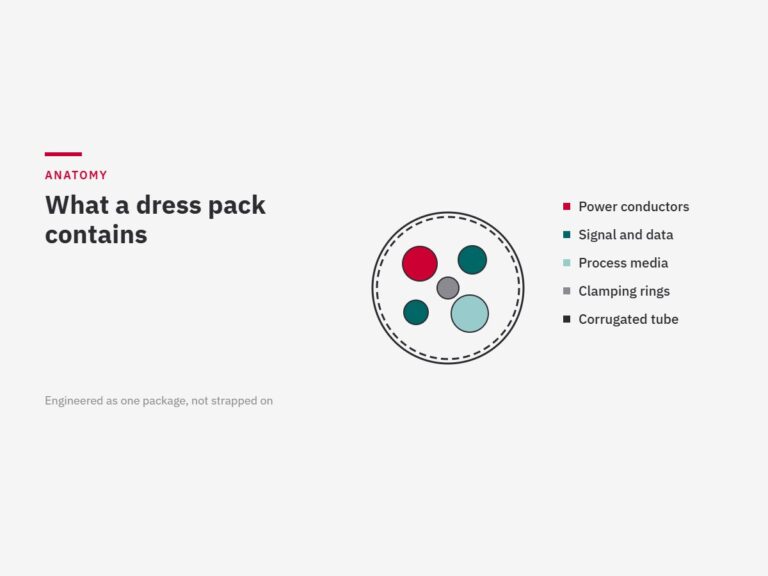 What is a robot dress pack?
What a dress pack carries, what is inside one, and why it is engineered rather than assembled.
Read article →